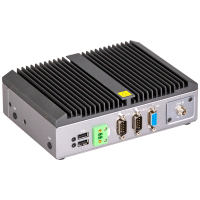
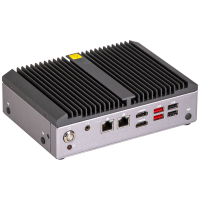
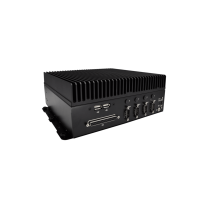
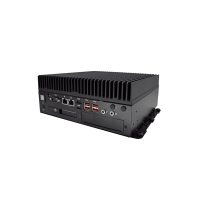
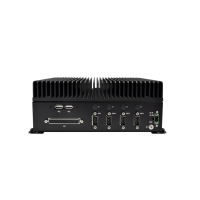
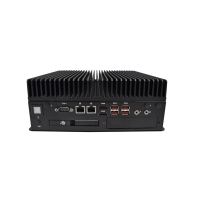
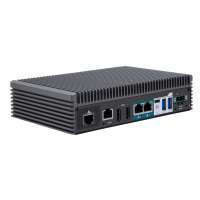
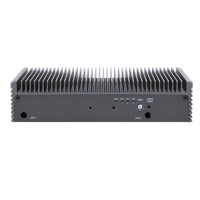
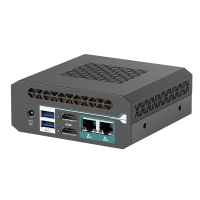
NIFE-210-E01
EtherCAT Embedded PC utilizes Intel J6413 CPU, up to 32 GB RAM, 2.5'' Drive Bay, 2xCOM, 6xUSB, Triple LAN
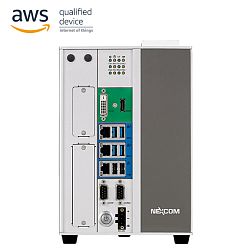
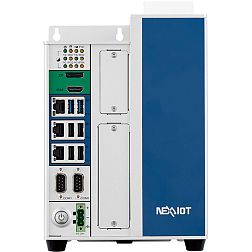
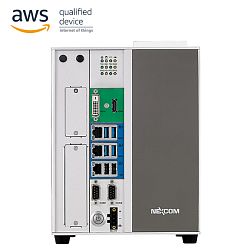
The industrial EtherCAT embedded computer NIFE-210-E01 is optimized for M2M and SCADA systems thanks to a versatile range of interfaces such as isolated serial COM, multiple USB ports, and the option for multiple redundant network connections. It features extensive support for automated environments controlled via the fieldbus protocol.
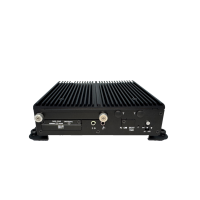
Equipped with an Intel Celeron J6413 quad-core CPU, the NIFE-210-E01 uses a powerful and energy-efficient processor from the embedded device segment, operating at a maximum clock speed of 3.00 GHz in Turbo Boost mode. The industrial embedded PC supports up to 32 GB of DDR4 RAM and allows the installation of three independent data storage devices via mSATA mini card, 2.5'' drive bay, and a Micro SD card slot. For hardware expansion and customization, the NIFE-210-E01 provides expansion slots for two full-size Mini PCIe modules and one M.2 Key B extension.
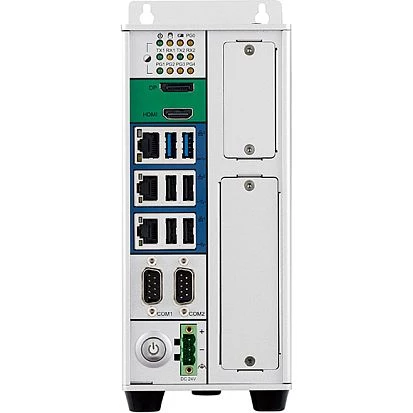
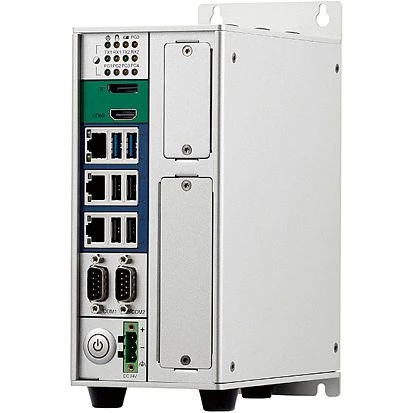
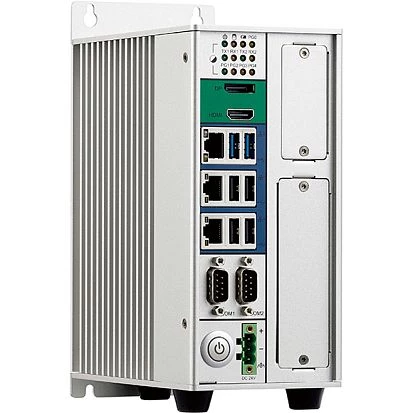
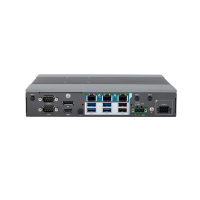
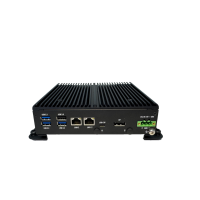
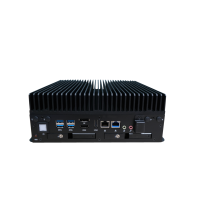
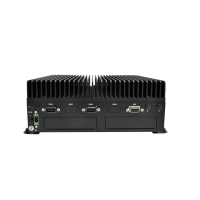
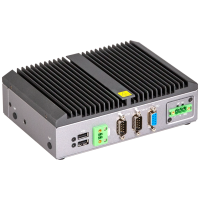
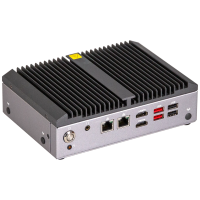
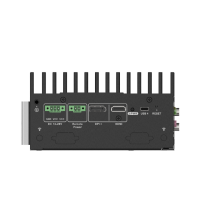
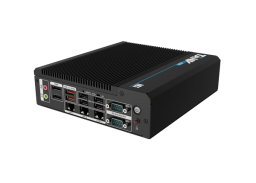
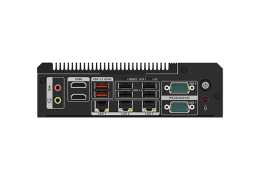
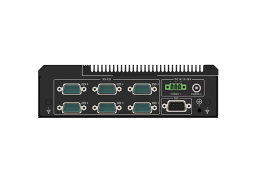
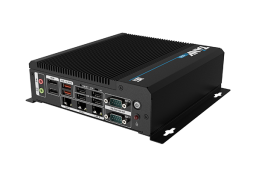
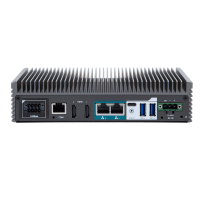
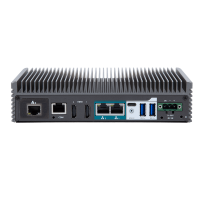
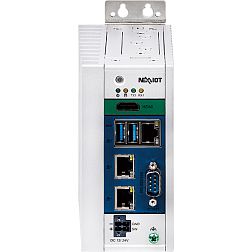
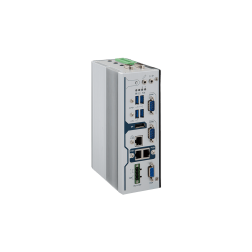
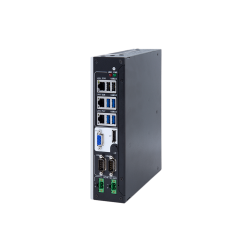
The native I/O of the NIFE-210-E01 includes dual serial COM RS232/422/485 via DB9 connectors, six USB type-A interfaces, as well as HDMI 2.0 and DisplayPort (DP) outputs. Graphical output for H2M applications can be displayed on up to two connected, mirrored, or independent displays and touchscreens with a resolution of up to 4K. With two Gigabit Ethernet LAN ports and an additional 2.5 Gbps uplink, the NIFE-210-E01 supports complex and redundant network architectures such as tree, ring, or star topologies and structures with physically isolated subnets.
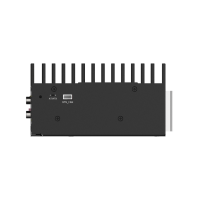
To ensure reliable, maintenance-free operation under harsh conditions, the NIFE-210-E01 operates in a wide temperature range from -10° Celsius to +60° and functions as a fanless embedded PC without mechanical wear parts. The rugged design withstands shocks up to 50G and continuous vibrations of 500 Hz with an acceleration of 2 Grms. The NIFE-210-E01 is primarily used in industrial production and process automation, but is also suitable for applications such as technical monitoring in mechanical and plant engineering, the petrochemical and pharmaceutical industries, and similar M2M systems.
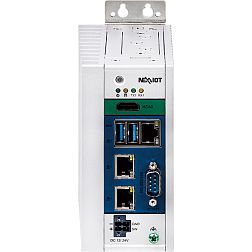







Get a Quote