


Edge AI In-Vehicle Computer
Filter
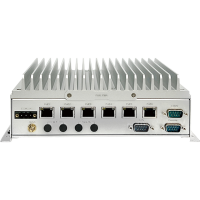
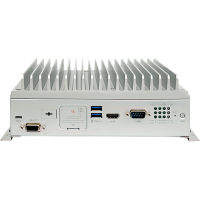
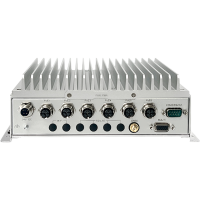
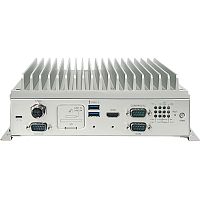
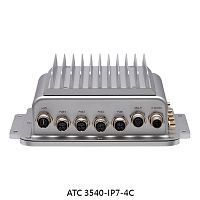
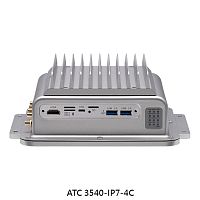
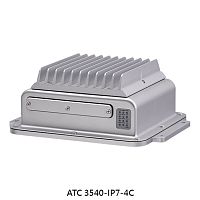
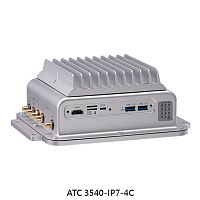
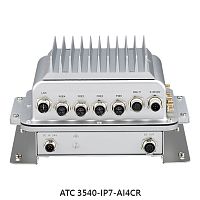
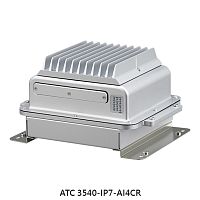
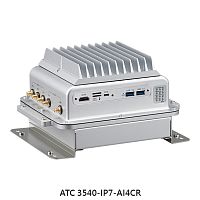
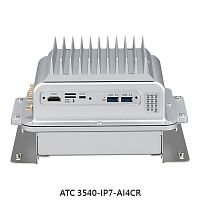
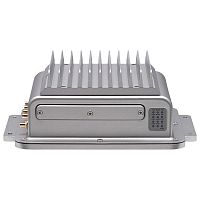
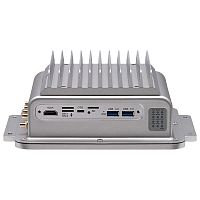
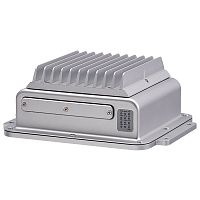
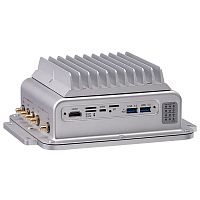
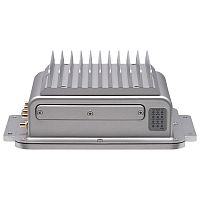
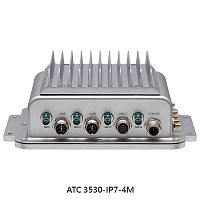
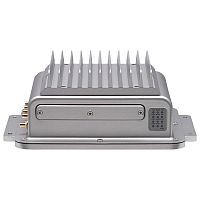
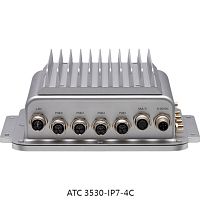
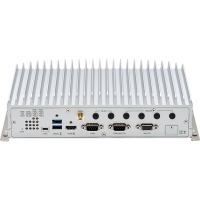
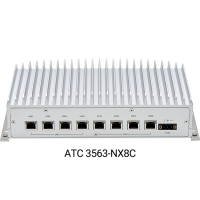
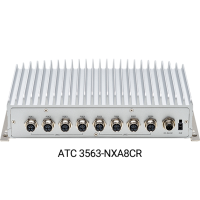
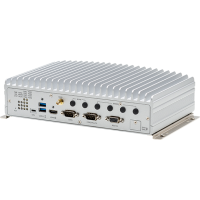
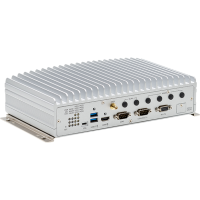
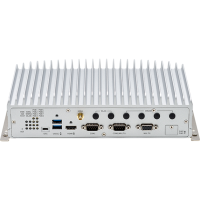
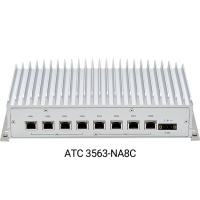
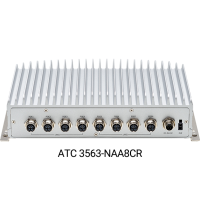
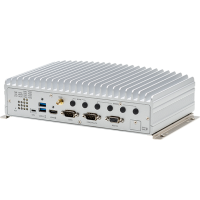
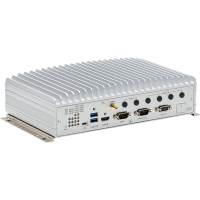
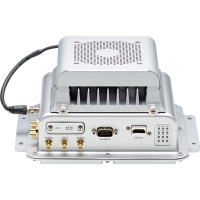
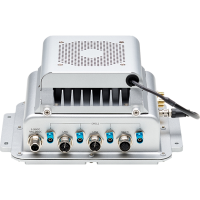
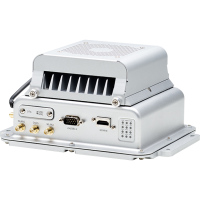
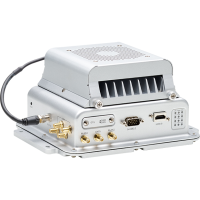
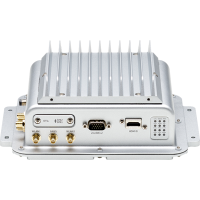
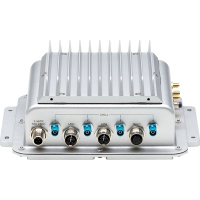
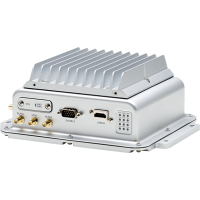
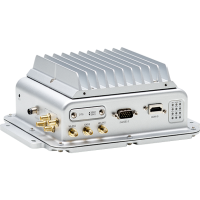
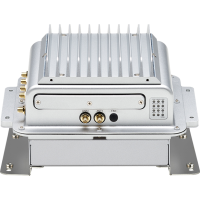
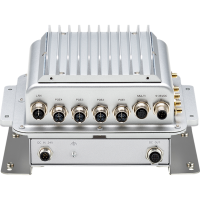
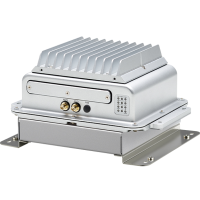
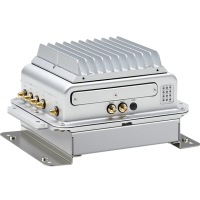
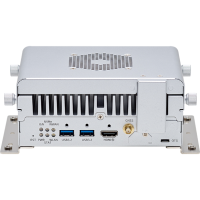
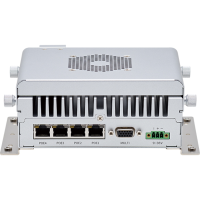
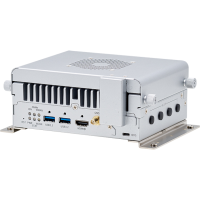
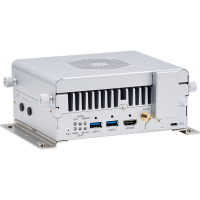
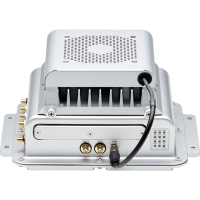
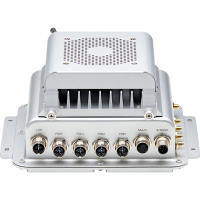
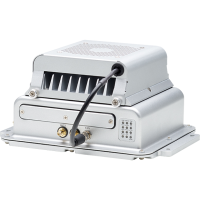
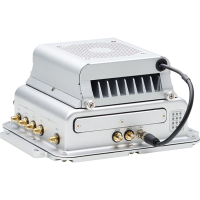
What are Edge AI Vehicle PCs?
Edge AI Vehicle PCs are specialized industrial and automotive computers designed to perform AI inference where vehicle-based decisions are made.
They combine industrial-grade hardware with automotive-compliant design, robust interfaces, and local AI accelerators to process sensor, camera, LiDAR, and telemetry data directly inside the vehicle for real-time decision-making.
How do vehicle PCs differ from standard Edge AI computers?
Vehicle PCs are engineered for mobile environments with vibration, temperature fluctuations, and unstable power conditions. Compared to stationary Edge AI systems, they feature:
- Automotive-grade power supply
- Extended operating temperature ranges
- Reinforced connectors
- EMC-compliant design
These features ensure reliable operation even while in motion.
Why is local AI processing inside vehicles important?
Local AI processing enables immediate reactions without network or cloud latency. This is critical for safety-critical applications such as autonomous navigation, obstacle detection, driver assistance, and real-time pedestrian or traffic analysis.
[Image comparing edge processing vs cloud processing latency in autonomous vehicles]Which applications use Edge AI Vehicle PCs?
Edge AI Vehicle PCs are used in mobile systems with strict real-time and safety requirements. Typical use cases include:
- Autonomous mobile robots (AMRs)
- Automated guided vehicles (AGVs)
- Autonomous shuttles
- Mobile inspection robots
- AI-powered vehicle assistance systems in industrial, logistics, and public environments
What advantages do Edge AI Vehicle PCs offer in mobile environments?
- High local compute power: AI models run directly on board.
- Rugged, automotive-grade hardware: Resistant to vibration, dust, temperature fluctuations, and power spikes.
- Long-term availability: Stable operation in extreme environments.
- Reliable performance: Critical for safety-relevant mobile applications.
Which hardware components are critical for vehicle-grade Edge AI systems?
- CPUs: High-performance processors for core logic.
- AI accelerators: GPUs or NPUs for parallel AI computation.
- Memory & Storage: Fast RAM and SSDs for high-speed data access.
- Automotive I/O: CAN, LIN, FlexRay, EtherCAT, and GPS/INS modules for sensor integration.
- Rugged chassis: Vibration- and temperature-resistant for vehicle operation.
Can Edge AI Vehicle PCs operate without cloud connectivity?
Yes. They are designed for fully autonomous operation. Local AI inference ensures data sovereignty, security, and uninterrupted functionality even with limited or no network access.
How scalable are Edge AI Vehicle PCs?
These systems are modular and adaptable, ranging from compact entry-level systems to high-performance multi-accelerator architectures. Performance, memory, and interfaces can be scaled based on the specific vehicle use case and data volume.
Are Edge AI Vehicle PCs suitable for 24/7 operation?
Yes. Automotive-grade Edge AI Vehicle PCs are engineered for continuous operation. Industrial-grade components and vibration-resistant enclosures ensure maximum reliability in demanding environments.
Which operating systems and AI frameworks are supported?
Supported platforms include embedded Linux distributions, Windows Embedded, and AI frameworks such as TensorFlow, PyTorch, ONNX Runtime, and embedded inference SDKs. This allows seamless integration into existing AI pipelines and machine vision applications.