


Edge AI Computer with GPU
Filter
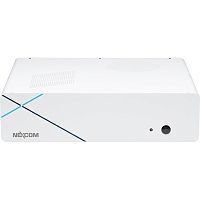
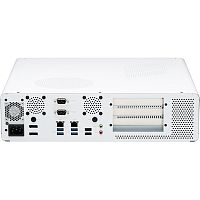
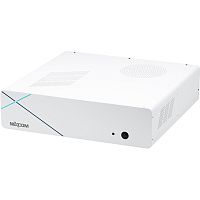
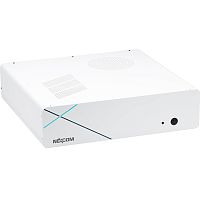
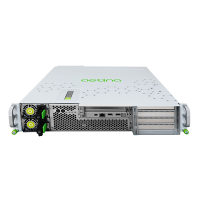
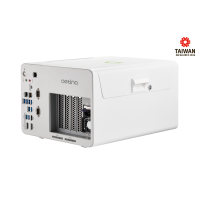
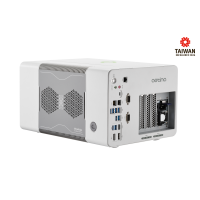
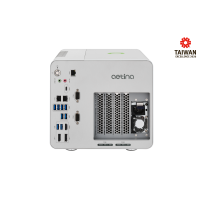
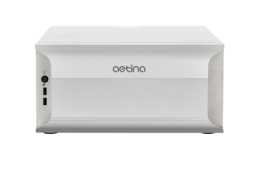
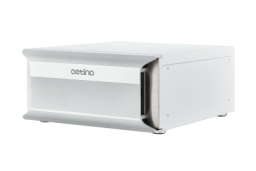
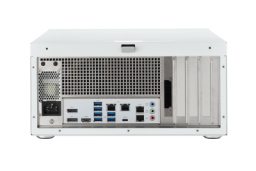
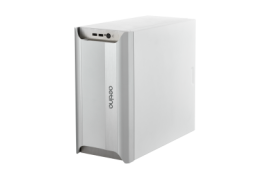
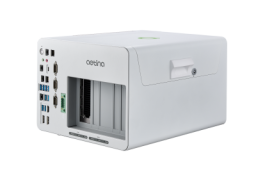
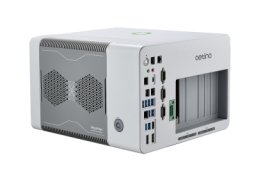
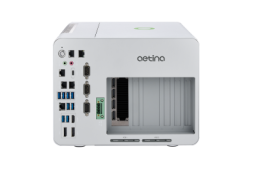
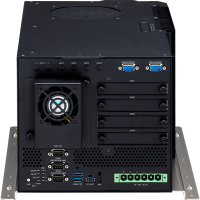
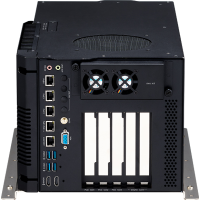
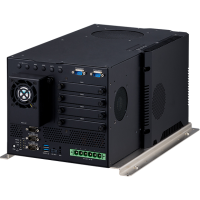
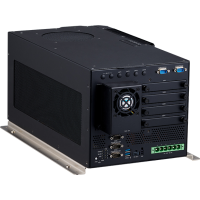
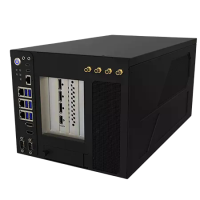
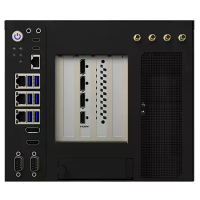

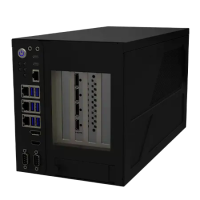
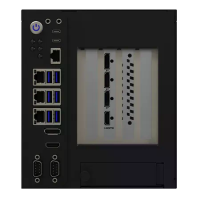
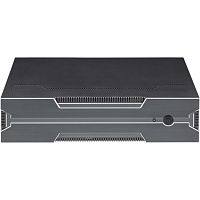
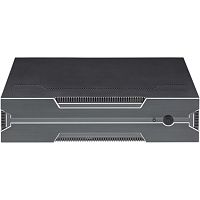
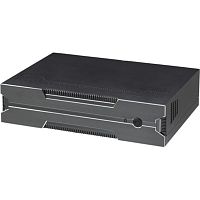
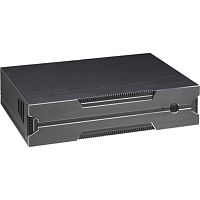


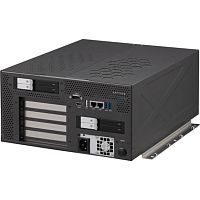

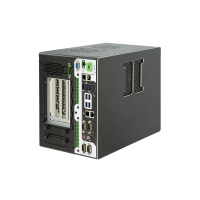
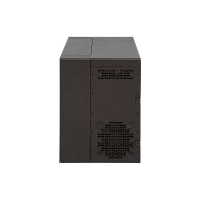

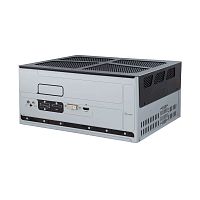
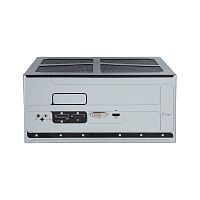
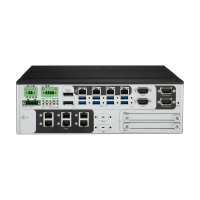
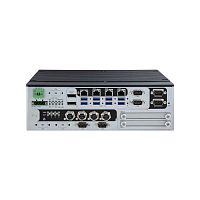
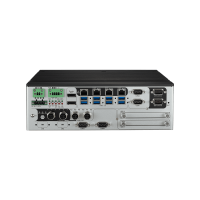
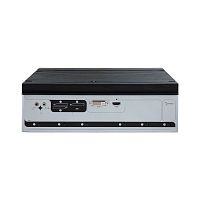


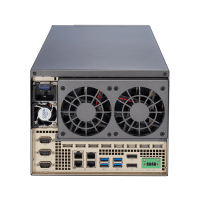
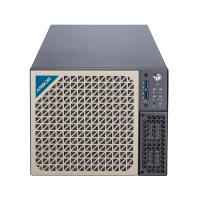
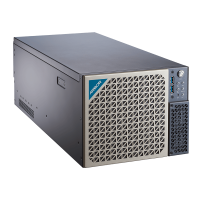
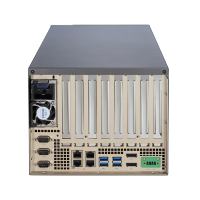


What are Edge AI computers with GPU?
Edge AI computers with GPU are industrial AI platforms that combine the reliability of traditional industrial PCs with powerful graphics and parallel compute acceleration.
They use dedicated GPUs (Graphics Processing Units) to process deep learning, computer vision, and neural network workloads directly at the point of data generation, eliminating latency and bandwidth constraints associated with centralized cloud processing. GPUs function as AI accelerators, specialized hardware for parallel AI computations.
How are GPU-enabled Edge AI computers different from standard Edge AI systems?
GPU-enabled Edge AI computers include powerful graphics processors specifically designed for parallel AI compute tasks.
While standard Edge AI devices may rely on CPUs or smaller accelerators, GPU systems deliver significantly higher performance for complex AI models, multi-camera vision, and compute-intensive real-time analytics. GPUs are particularly efficient for matrix calculations, neural networks, and deep learning models, which require many parallel operations.
Why is GPU acceleration important at the edge?
GPU acceleration at the edge enables faster AI inference and allows the use of complex models without cloud roundtrips. This enables higher frame rates, more precise analysis, and scalable performance for applications such as 3D vision, object detection, autonomous robotics, and AI-based process decision-making.
Which applications benefit most from Edge AI computers with GPU?
Edge AI computers with GPU are ideal for industrial applications requiring high compute power and strict real-time performance. Typical use cases include:
- Deep learning-based visual quality inspection
- Predictive maintenance analytics
- Autonomous robotics and machine control
- Smart manufacturing processes
- Multi-sensor fusion for real-time decision-making
What advantages do GPU-equipped Edge AI computers offer in industrial environments?
- Real-time AI processing: immediate analysis and response to sensor data.
- High parallel performance: efficient for neural networks and multi-camera processing.
- Industrial-grade design: fanless, vibration-resistant, and rated for extended temperature ranges.
- 24/7 operation: durable components with minimal maintenance.
Which hardware components are critical for GPU-based Edge AI systems?
- GPU: dedicated graphics processors as AI accelerators.
- CPU: high-performance multi-core processors.
- RAM & Storage: fast memory and SSDs for large data volumes.
- I/O interfaces: flexible connections for sensors, cameras, and machine controllers.
- Rugged chassis: designed for dust, vibration, and temperature variations.
Can Edge AI computers with GPU operate offline, without cloud services?
Yes, GPU-based Edge AI systems are designed for fully autonomous operation. AI models run locally, improving data sovereignty, security, and operational reliability, which is critical for mission-critical industrial applications.
How scalability are GPU-based Edge AI systems?
GPU-based systems are modular and scalable in the following ways:
- From entry-level GPU configurations to multi-GPU architectures.
- Memory, storage, and I/O can be expanded as needed.
- Flexible and adaptable to growing AI requirements.
Are Edge AI computers with GPU designed for 24/7 industrial operation?
Yes, they are engineered for continuous use. High-quality components, fanless cooling solutions, and industrial-grade standards ensure maximum reliability and minimal maintenance.
What operating systems and AI frameworks are supported?
GPU-based Edge AI computers support Linux, Windows, and major AI frameworks such as TensorFlow, PyTorch, ONNX Runtime, and other inference engines. This enables seamless integration with existing development and deployment workflows.