


Panel PC RISC
RISC Panel PCs: Energy-Efficient and Cost-Effective HMI Solutions
When minimal power consumption, compact form factors, and an optimal price-performance ratio are essential, RISC panel PCs are the ideal choice. While traditional x86 systems are designed for compute-intensive Windows applications, RISC processors (primarily ARM-based architectures) rely on a reduced and highly efficient instruction set. This makes them the perfect platform for lightweight HMI applications and decentralized IoT architectures.
Filter
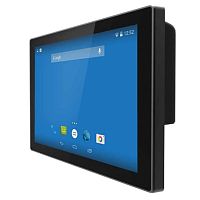
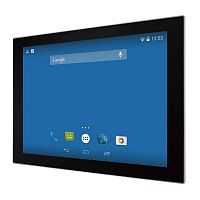
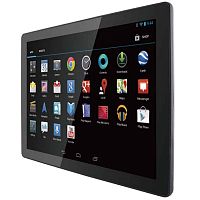


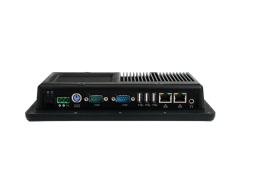

The Advantages of RISC/ARM Architecture at a Glance
-
Extreme Energy Efficiency: RISC processors require only a fraction of the power consumed by conventional desktop CPUs. This significantly reduces operating costs and minimizes heat generation inside the enclosure.
-
Compact SoC Design: Since the CPU, graphics, and memory are often integrated into a single System-on-Chip (SoC), RISC panel PCs enable ultra-slim housing designs for installations with limited space.
-
Optimized for Linux and Android: The hardware operates seamlessly with lightweight and stable operating systems. This reduces licensing costs while ensuring fast boot times and high system security.
-
Cost Efficiency: Both in terms of acquisition and long-term operation, RISC systems provide an economically superior solution for standardized web HMI and control applications.
Ideal Applications for RISC Panel PCs
-
Web HMIs & SCADA Terminals: Perfect as operator panels displaying HTML5-based visualizations from PLC controllers or centralized servers directly within a web browser.
-
Building Automation & Smart Infrastructure: Due to their low power consumption and silent operation, they are ideal for controlling lighting, climate systems, or access control in commercial buildings.
-
IIoT Gateways with Integrated Display: They not only provide operator visualization but also simultaneously collect fieldbus data and efficiently transmit it to the cloud via MQTT or OPC UA.
Frequently Asked Questions (FAQ)
What is the difference between RISC/ARM and conventional x86 panel PCs?
The primary difference lies in the processor architecture. x86 systems (Intel/AMD) are designed for maximum computing performance and compatibility with standard Windows software. RISC systems (ARM) use a simplified instruction set architecture that operates with extremely low power consumption and is optimized for dedicated operating systems such as Linux, Android, or specialized real-time operating systems.
Which operating systems run on a RISC panel PC?
Traditional Windows desktop versions do not run on RISC architectures. Instead, customized Linux distributions (such as Yocto, Debian, or Ubuntu ARM) or Android are commonly used. These systems are highly customizable, extremely efficient, and resistant to many typical Windows security vulnerabilities.
Can I use my existing software on a RISC panel PC?
If your application is web-based (HTML5/JavaScript) or written in platform-independent languages such as Java or Python, it can usually run without issues. Pure x86 Windows applications (.exe), however, cannot be executed directly and would need to be recompiled for the ARM/RISC platform.