


Marine Panel Computers
Marine Panel Computers: Certified HMI Solutions for Maritime Applications
On the open sea, in coastal environments, and on offshore platforms, hardware is exposed to extreme conditions. Marine Panel Computers are specifically designed for maritime use in shipbuilding, bridge navigation systems, and engine room operations. They withstand constant exposure to salty air, moisture, extreme temperature fluctuations, and continuous vibrations caused by ship propulsion systems.
Filter
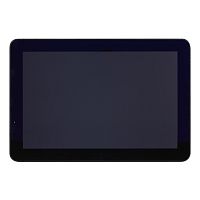
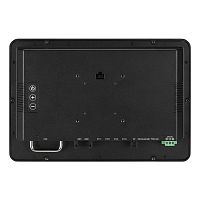
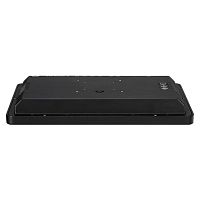
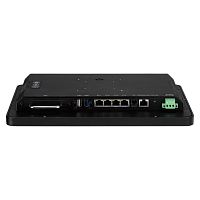
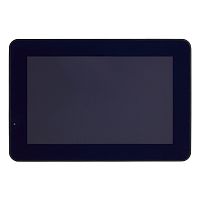

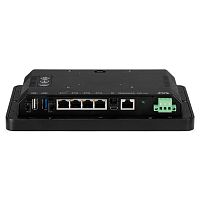
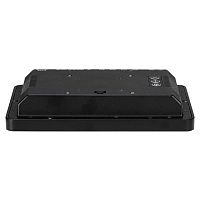


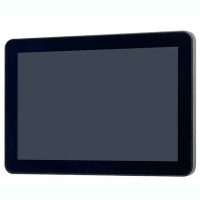
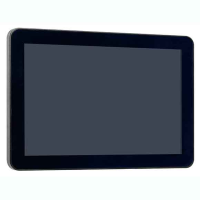
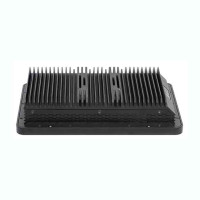
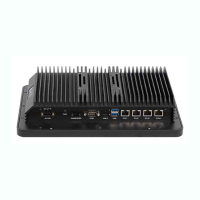
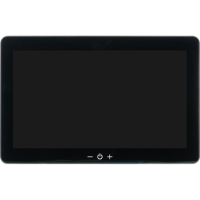
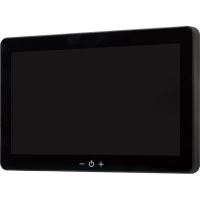
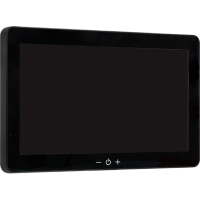
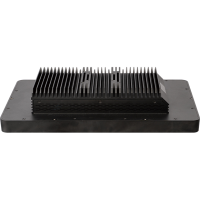
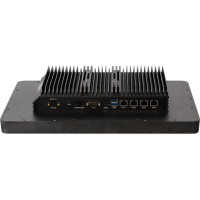

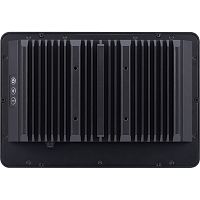

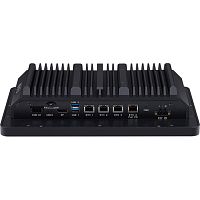


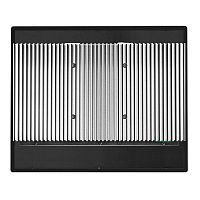


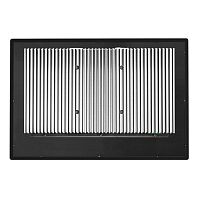
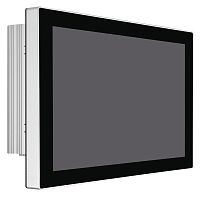

The Advantages of Marine Panel Computers at a Glance
-
Strict Marine Certifications: To meet the highest safety requirements at sea, these systems feature essential certifications such as DNV (Det Norske Veritas) and comply with IEC 60945 standards for navigation and radio communication equipment.
-
ECDIS Compliance for Navigation: For use as Electronic Chart Display and Information Systems (ECDIS), many models offer precisely color-calibrated displays. This ensures nautical symbols, depth contours, and hazard zones are displayed accurately and in compliance with regulations at any time of day.
-
Advanced Dimming Function (Hyper Dimming): Readability at night is critical on the ship bridge. Marine panel PCs support continuous dimming down to 0% brightness to prevent glare that could impair the crew’s night vision.
-
Saltwater and Corrosion Protection: The enclosures are made of seawater-resistant materials or specially coated aluminum and stainless steel alloys. Combined with IP65 or IP66 front protection, they reliably prevent the ingress of spray water and moisture.
Typical Applications Onboard and in Port Environments
-
Bridge Navigation Systems (Integrated Bridge Systems): Visualization of radar data, echo sounders, autopilot systems, and electronic nautical charts directly on the captain’s bridge.
-
Ship Automation & Engine Room Monitoring: Monitoring propulsion systems, generators, fuel tanks, and pumps under harsh thermal and environmental conditions below deck.
-
Port Logistics & Maritime Infrastructure: Deployment on cranes, container terminals, or land-based control centers for coordinating maritime traffic operations.
Frequently Asked Questions About Marine Panel Computers (FAQ)
Why is a standard rugged PC not sufficient for use on ships?
While a standard rugged PC provides protection against shocks and dust, it typically lacks the required marine certifications (such as DNV). In addition, conventional systems are generally not resistant to the corrosive effects of saltwater and do not provide the mandatory dimming capabilities required for night navigation, which could lead to dangerous glare on the bridge.
What does IEC 60945 certification mean?
The international IEC 60945 standard defines the general requirements for environmental conditions, safety, and electromagnetic compatibility (EMC) of navigation equipment used on ships. A panel PC certified according to IEC 60945 neither interferes with the ship’s compass nor radio communication systems and is designed to withstand the continuous vibrations of the ship’s hull.
How is readability ensured under strong sunlight conditions at sea?
Displays on ship bridges must remain readable even in direct sunlight. Therefore, marine panel PCs utilize high-brightness displays (often exceeding 1,000 cd/m²) combined with anti-reflective coatings. Optical Bonding (the seamless bonding of protective glass and display) further minimizes internal reflections and prevents condensation caused by humidity.