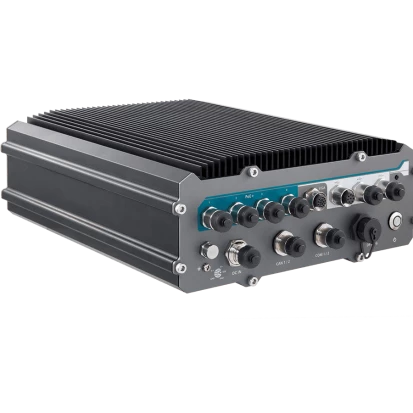
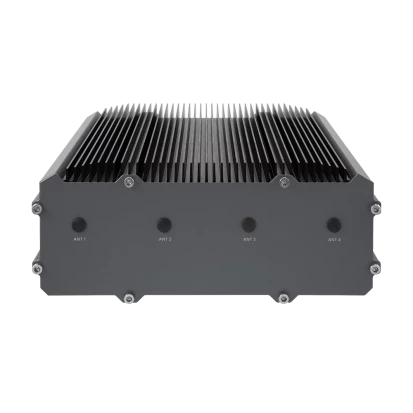
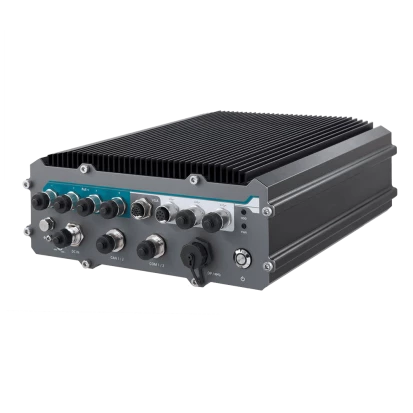
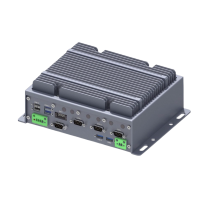
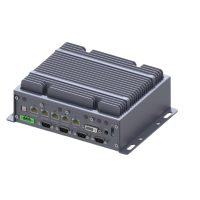
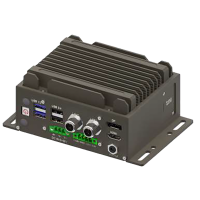
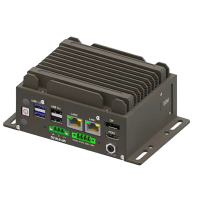
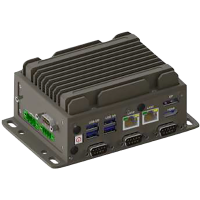
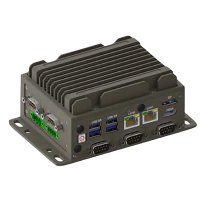
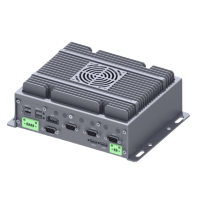
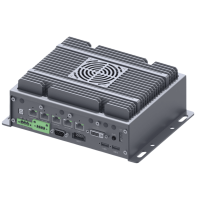
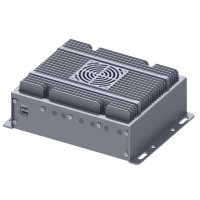
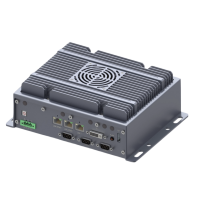
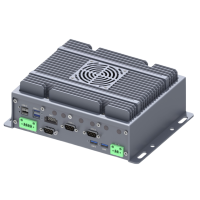
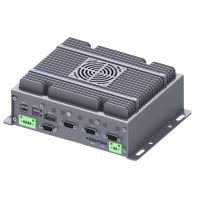
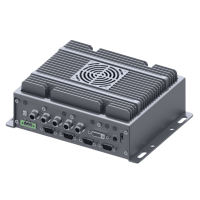
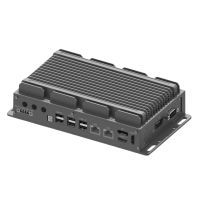
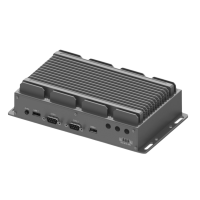
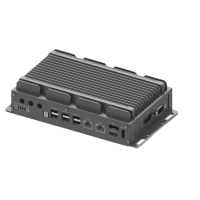
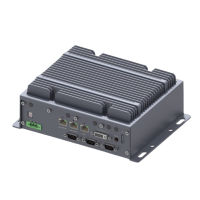
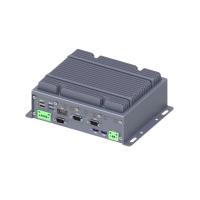
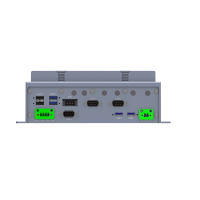
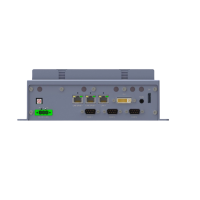
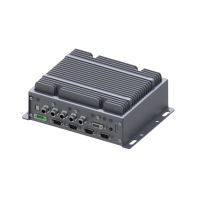
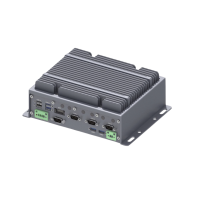
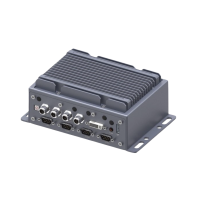
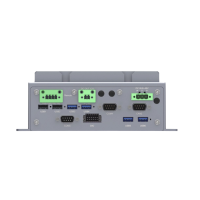
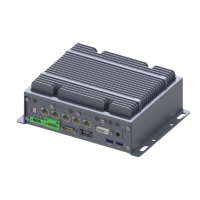
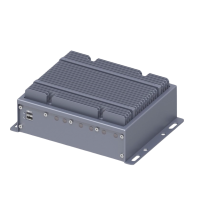
ARTS-7670
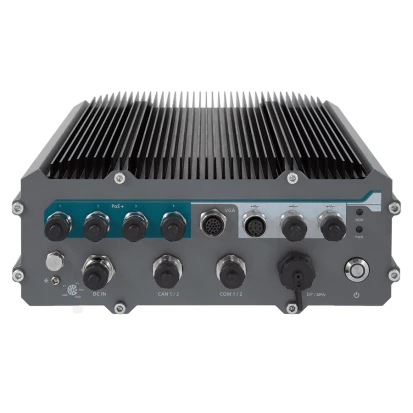
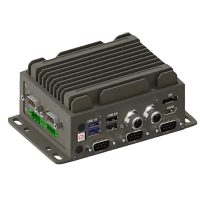
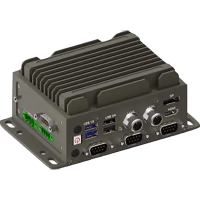
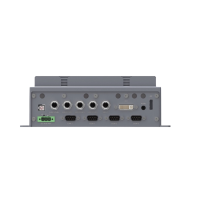
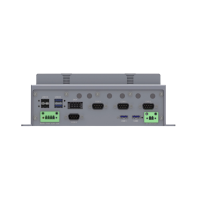
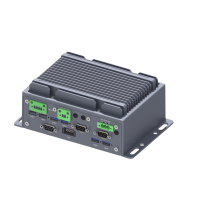
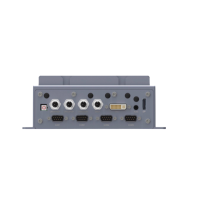
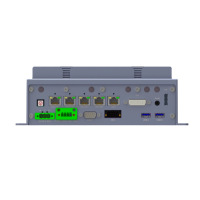
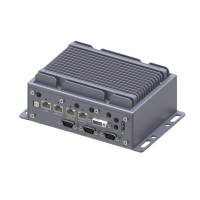
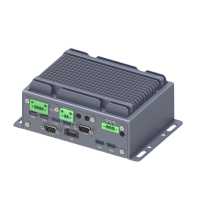
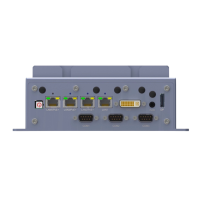
The ARBOR ARTS-7670 is a fully sealed IP69K fanless industrial computer for washdown, marine, off-road and vehicle-mount applications, supporting Intel 12th–14th Gen Core LGA1700 processors with up to 96 GB DDR5. Four 2.5 GbE M12 X-coded PoE+ ports with a 100 W budget power and connect waterproof cameras and sensors through push-lock M12 connectors — no junction boxes or cable glands.
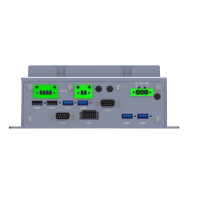
Rated −40 °C to +70 °C and certified to MIL-STD-810H, the 264 × 225 × 92 mm, 4.2 kg unit adds two isolated CAN FD ports (M12) for machine-level fieldbus networks and a 9–48 V DC input with ignition control covering 12/24/48 V vehicle systems. E-Mark certification permits EU road-vehicle use.
Key Features
- IP69K enclosure: Certified against 80 bar / 80 °C high-pressure jet washing — the actual cleaning protocol in food processing, marine and heavy-equipment maintenance. Supersedes IP65 and IP67.
- Intel 12th–14th Gen Core LGA1700: i3 to i9 T-series (35 W) within the passive IP69K thermal envelope; 2× DDR5 4800 SO-DIMM up to 96 GB.
- 4× 2.5GbE M12 X-coded PoE+ (100 W, IEEE 802.3bt): Powers up to four IP69K PoE cameras or sensors directly; X-coded M12 gives waterproof gloved-hand connections without boot seals.
- 2× isolated CAN FD (M12 A-coded): 8 Mbps direct machine CAN bus access — ISOBUS agriculture, CANopen construction plant, military vehicle networks — without a CAN-to-Ethernet gateway.
- −40 °C to +70 °C + MIL-STD-810H: Vibration (Method 514.8) and shock (516.8) qualified for tracked vehicles, helicopters and naval platforms; cold start at −40 °C without a heater.
- 9–48 V DC with ignition control: Timed graceful shutdown on engine-off; 60 V transient protection; E-Mark certified for road vehicles.
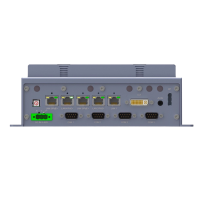
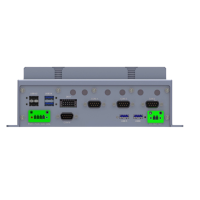
- Sealed I/O and security: Waterproof DP over USB-C (4096 × 2304), M12 VGA, 6× M12 USB 2.0, USB 3.2 Type-C, 2× isolated COM; 2× mini-PCIe + M.2 B-key with dual SIM; dTPM 2.0.
M12 Interface Summary
| Interface | Connector | Count | Specification |
|---|---|---|---|
| 2.5 GbE PoE+ | M12 X-coded | 4 | 100 W total, IEEE 802.3bt |
| CAN FD | M12 A-coded | 2 | Isolated, 8 Mbps |
| USB 2.0 | M12 A-coded | 6 | Sealed |
| DisplayPort | USB-C (IP67) | 1 | 4096 × 2304 @ 60 Hz |
| COM | DB9 (boot seal) | 2 | Isolated RS-232 + RS-422/485 |
| Power | M12 A-coded | 1 | 9–48 V DC, ignition, 60 V transient |
Application Use Cases
Food and Beverage Washdown Automation
IP69K matches the post-shift hot-water washdown protocol of HACCP facilities; the M12 PoE+ ports power sealed cameras throughout the processing zone and CAN FD links to CIP and conveyor controllers.
Marine Deck and Offshore Computing
Saltwater spray, jet washing, Arctic-to-tropical transit temperatures and heavy-sea vibration are all covered by the IP69K + MIL-810H + −40 °C to +70 °C combination, with M12 the native connector standard of maritime automation.
Military and Heavy Off-Road Vehicles
MIL-STD-810H vibration/shock methods define the environmental envelope of ground vehicles and construction plant; the 9–48 V ignition-controlled input and CAN FD ECU access make the ARTS-7670 a drop-in vehicle computer.
Roadside, Rail Trackside and Agricultural Infrastructure
Permanently outdoor installations gain IP69K sealing, −40 °C winters without heating, M12-connected sensor networks and 4G/5G backhaul where fibre is absent — with ISOBUS-compatible CAN FD for agricultural machinery.
Why Choose the ARTS-7670
Three standards at once. IP69K + MIL-STD-810H + −40 °C to +70 °C in one unit eliminates the custom enclosure, vibration tray and heater element other fanless PCs need in extreme deployments — each removed component cuts cost and failure modes.
Native M12, not adapted RJ45. The infrastructure the ARTS-7670 connects to — washdown cameras, trackside sensors, marine automation — is already M12-wired. Native X-coded ports remove the adapter layer that defeats sealing and complicates field maintenance.
Direct CAN FD access. In vehicles and heavy machinery, CAN is the machine-level bus. Two isolated CAN FD ports enable direct ECU communication and predictive-maintenance data capture without a gateway's added latency and configuration burden.
Frequently Asked Questions
What does IP69K mean for the ARTS-7670?
The highest IEC 60529 ingress rating: survival of 80 bar, 80 °C water jets from all angles at 0.1–0.15 m — the industrial jet-wash protocol. IP69K compliance also implies IP65 and IP67 protection.
Which processors are supported?
Intel 12th–14th Gen Core i3/i5/i7/i9 T-series (35 W TDP) on LGA1700, with the full −40 °C to +70 °C range; 65 W options operate at −40 °C to +50 °C. Memory: up to 96 GB DDR5 4800.
What is the PoE budget?
100 W total across four M12 X-coded 2.5 GbE ports (IEEE 802.3bt) — enough for four Class 4 devices at up to 25.5 W each, given an adequately rated system power supply.
How does ignition power control work?
The unit powers on with the ignition signal and runs a configurable shutdown delay when it drops, protecting the file system in vehicle installations. Input range 9–48 V DC covers 12/24/48 V systems.
What wireless expansion is available?
Two full-size mini-PCIe slots (each with SIM) plus an M.2 B-key with dual SIM — supporting simultaneous 5G, Wi-Fi 6/6E and SIM redundancy, with antennas routed through the sealed chassis.
Get a Quote