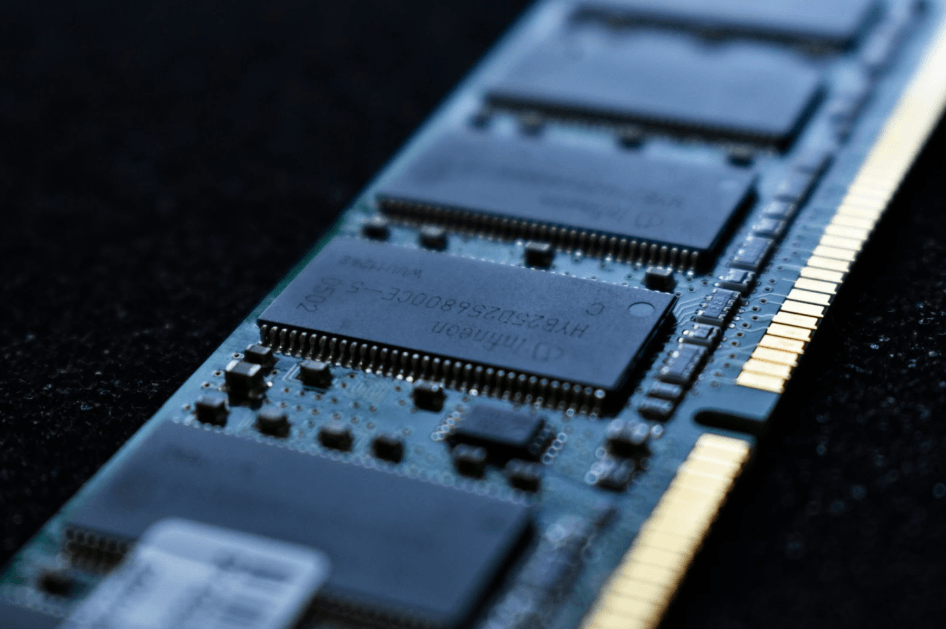
A 64 GB memory requirement looks simple until it reaches the system BOM. The same capacity can mean a SODIMM in an embedded computer, an ECC UDIMM in a workstation or several RDIMMs distributed across server memory channels. Those configurations do not share the same qualification rules, availability or price movement.
That distinction matters in 2026. DRAM supply is tight and contract prices are still rising, but an industrial buyer cannot turn a market percentage into a module budget without first defining the platform. The processor, motherboard, final socket population and required lifecycle determine which part of the market is relevant.
The platform decision comes before the purchasing decision
Memory support is set by the CPU memory controller, board layout and BIOS. Before asking for a module quotation, establish:
- DDR generation and supported data rates
- SODIMM, UDIMM, ECC UDIMM or RDIMM support
- maximum capacity per socket and for the complete system
- number of memory channels and permitted DIMMs per channel
- supported DRAM organization and rank combinations
- ECC support across processor, chipset, BIOS and motherboard
- validated operating temperature
- approved module list and required BIOS version
Population rules deserve particular attention. Adding another DIMM per channel can reduce the supported data rate on some platforms. A later expansion may also require the installed modules to be replaced if their rank structure or organization cannot be mixed with the target configuration.
Empty sockets are useful, but they are not proof that an upgrade will work. The full population should be checked while the original system is being designed.
What DDR5 on-die ECC does and does not protect
DDR5 includes error correction inside each DRAM device. This feature improves device level reliability and helps manage errors created within the chip. It does not cover the complete data path between the module and the processor.
System level ECC still requires support in the processor and motherboard together with an ECC module. ECC UDIMMs and RDIMMs are different module classes; equal capacity and speed do not make them interchangeable.
Why the exact module part number matters in series production
For a prototype, any compatible module may appear to solve the problem. A machine built for several years has a different requirement: later deliveries must behave like the part that was originally validated.
A suitable industrial memory series can provide a controlled component configuration, formal product change notices and a defined end of life process. Depending on the product family, options may also include a wider temperature range, conformal coating, protection against sulfur contamination or mechanical retention.
None of these characteristics should be assumed from the word “industrial.” They belong to the specification of the exact module. A wide temperature DIMM also does not extend the rating of the motherboard or complete computer.
IPC2U supplies industrial memory across DDR4, DDR5 and ECC configurations and a broad selection of Innodisk industrial memory.
What the Q4 2026 market data actually says
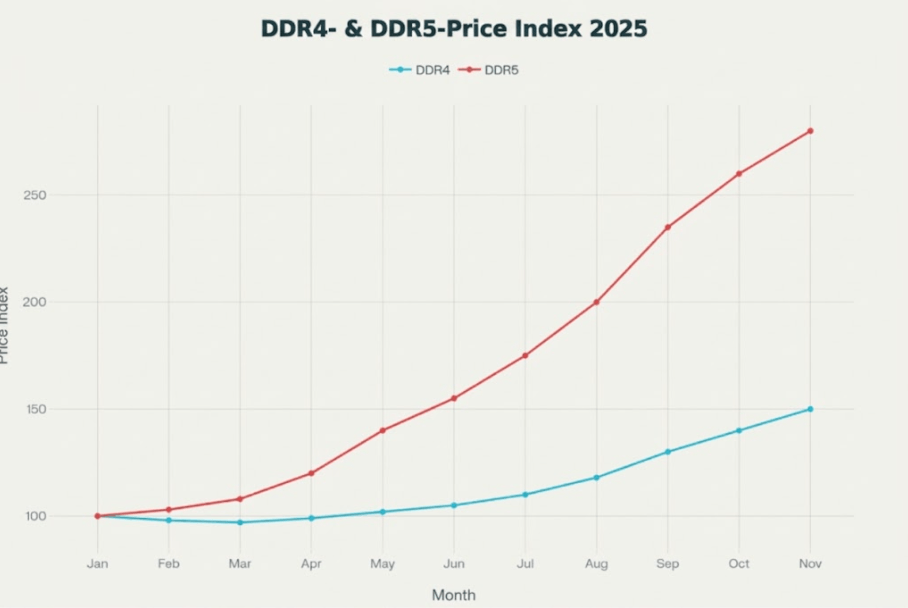
TrendForce expects conventional DRAM contract prices to rise by another 10% to 15% quarter over quarter in Q4 2026. Server DRAM remains undersupplied, while long term agreements can moderate the increase for individual large buyers. PC demand is softer, but suppliers continue to direct capacity toward higher value server products.
This is a strong market signal, not a universal module price list.
| Memory segment | Current market position | Practical implication |
|---|---|---|
| Conventional DRAM | Q4 contract prices forecast 10% to 15% above Q3 | Broad upward pressure on mainstream memory components |
| PC DRAM | Weak end demand, but constrained supply and changing product mix | Price and availability vary by density, vendor and inventory |
| Server DRAM | Strong demand and continued undersupply | Specific high capacity RDIMMs may need earlier qualification and allocation planning |
| HBM | Rapid growth driven by AI accelerators | Draws DRAM investment as well as advanced packaging and test resources |
| Industrial modules | No single market index | Controlled BOM, testing, temperature grade and lifecycle add part specific factors |
Retail kit pricing belongs to another layer of the market. It may show direction, but it does not establish the cost of an industrial module with a controlled configuration and defined support period.
AI demand creates pressure, not one price multiplier
AI infrastructure consumes HBM and large amounts of server memory. HBM is built from stacked DRAM devices for very high bandwidth; it is not a DIMM and it is not NAND flash. Its growth nevertheless affects the wider DRAM business because suppliers allocate process development, wafer capacity, advanced packaging and test resources across the same portfolio.
General purpose AI servers are also increasing their use of DDR5 RDIMMs. Prioritizing these products reduces the industry's flexibility to respond to demand elsewhere, even when desktop or embedded sales are not especially strong.
New manufacturing investment will take time to affect supply. Gartner currently expects the first meaningful DRAM price relief around late 2027 to the first half of 2028. That remains a forecast rather than a purchasing guarantee. Inventory levels, process yields and customer contracts can move individual products differently.
The storage market should be reviewed separately. Our analysis of SSD pricing in 2026 distinguishes NAND, client drives, enterprise storage and industrial SSDs.
Build the memory plan around three project stages
During development, availability and compatibility often matter most. A readily available module can keep a prototype moving, but it should not become the production part by default.
Before series release, freeze the exact module class, capacity, rank organization, temperature option and ECC implementation. Validate the intended final population, not only the initial configuration. If a second source is required, test it as a separate engineering change rather than assuming equivalence from the headline specifications.
Service planning comes next. A dedicated spare quantity, scheduled releases or qualified alternatives can all reduce risk. The right choice depends on annual volume, remaining platform life and the cost of revalidation. Buying the entire lifetime quantity is not automatically the safest or most economical answer.
In a volatile market, confirmed delivery status and clear quote validity are more useful than a generic instruction to buy immediately.
DDR4 can still be appropriate, but not merely because it is familiar
Keeping a validated DDR4 platform can avoid unnecessary software, EMC and system testing when its performance, power consumption and remaining lifecycle still meet the application.
For a new design, the lowest current module price is not enough to justify DDR4. Processor roadmap, motherboard availability, maximum capacity and future service stock belong in the same calculation. Memory generation should follow the system architecture and expected product life.
Information needed for a reliable memory recommendation
Include the following in an industrial memory enquiry:
- system or motherboard model
- processor and chipset
- required capacity at launch and at full expansion
- current or intended socket population
- ECC requirement
- operating temperature
- annual quantity and expected program duration
- options such as conformal coating or protection against sulfur contamination
Send IPC2U your system requirements for a review of suitable modules, available alternatives and supply options.
Frequently asked questions
Are RAM prices likely to fall in 2027?
There is no reliable forecast for every DRAM category. Current analysis points to continued supply pressure, with Gartner expecting the first meaningful relief around late 2027 to the first half of 2028. Project budgets should be reviewed regularly rather than tied to a single annual prediction.
Does every DDR5 module provide system level ECC?
No. DDR5 on-die ECC operates inside the DRAM device. System level correction requires an ECC capable processor and motherboard plus an appropriate ECC module.
Can an industrial computer always be upgraded later?
Only when the target population complies with the platform rules. Memory channels, DIMMs per channel, rank organization and validated capacities can all affect the result. Plan and test the intended expansion before production release.
Is DDR4 still suitable for a new industrial design?
It can be, but the decision should be based on the complete platform roadmap. A short lived motherboard can outweigh any saving on the memory itself.